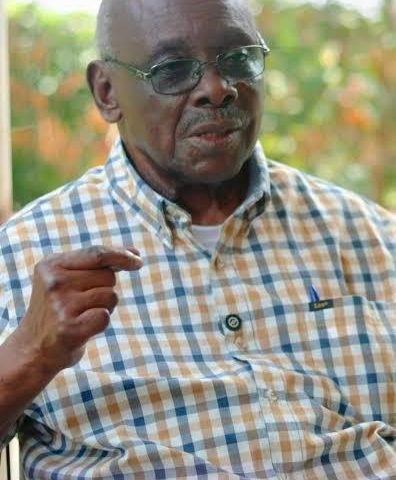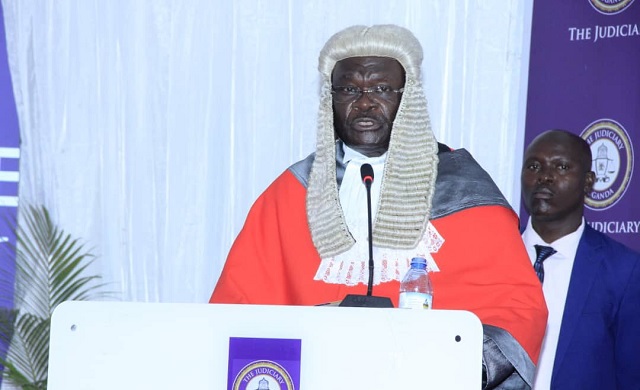
Uganda’s former Chief Justice Alfonse Owiny-Dollo recently reflected on his judicial career. He passionately advocated for expanded Dispute Resolution methods. Speaking publicly, he emphasized efficiency and accessibility in the justice system. He described a landmark case resolved in just four months. That case had languished in court for twenty-one years previously. Consequently, he views Alternative Dispute Resolution as a mission, not just a tool. He aims to serve ordinary citizens, especially in common land conflicts.
Owiny-Dollo framed his judicial philosophy around stewardship, not power. He stressed safeguarding court integrity. He also ensured justice remains fair and respected. His strong advocacy for Dispute Resolution comes from a belief in harmony. He cited the United States as a model. There, over ninety-five percent of disputes settle through ADR. Lawyers still thrive in that system. Therefore, this approach forms a core part of his lasting legacy.
A Career Built on Principle
Justice Owiny-Dollo recounted his path to the judiciary. His appointment built on years of consistent practice. He also had a reputation for fairness transitioned from judge to Deputy Chief Justice and then to Chief Justice. He called this role a profound responsibility. “Being Chief Justice is not about power or prestige,” he reflected. “It’s about stewardship.” He admitted to stubbornness in service of principle, defended judicial institutions and their integrity, but not for ego.
He addressed perceptions of tension with the Uganda Law Society, clarified that disagreements were personal, not institutional. They involved then-president Isaac Ssemakadde. Owiny-Dollo emphasized his commitment to reconciliation. He stated he holds no grudges. However, Ssemakadde later questioned the Chief Justice’s capacity for reconciliation. This dynamic shows the complex interplay within Uganda’s legal community.
The Power of Dispute Resolution
Owiny-Dollo’s advocacy for Dispute Resolution was a central theme. He addressed Ugandan lawyers’ fears directly. They worry ADR would reduce their business. He argued the opposite occurs. He presented the Kabaka’s estate case as a prime example. It lingered in court for twenty-one years. He concluded it in four months using ADR. “Everyone was satisfied,” he noted. “Lawyers were paid for their role.”
His vision extends to grassroots impact. He dreams of an ADR centre in Gulu. It would focus on serving ordinary citizens. This aligns with his mission for accessible justice. For Owiny-Dollo, Dispute Resolution is a practical tool for social harmony. It also efficiently allocates resources in an overburdened system. His push aims to embed this approach deeply into Uganda’s legal culture.
On Bail Guidelines and Public Concern
The retired Chief Justice also addressed bail guidelines. He acknowledged public concern about courts becoming “bail-averse.” He explained the guidelines balance constitutional rights with public interest. They are based on constitutional provisions and court decisions. Furthermore, they involved extensive committee discussions.
He stressed the intention is not to deny rights. Instead, it ensures justice proceeds responsibly. This reflects the delicate balance judicial leaders must strike. They weigh individual liberties against broader societal safety. His defense of the guidelines shows a philosophy of consistent, principled decision-making.
Personal Discipline and Reflection
Owiny-Dollo offered glimpses into his personal discipline. He has never consumed alcohol or smoked. Music plays an integral role in his daily life. He particularly enjoys Negro gospel and spirituals. “When I’ve had a long day, I take refuge in music,” he shared. This discipline extends to his character ethos. He emphasized that the legal profession is a vocation. Here, character matters as much as intellect.
He reflected on qualities like humility and commitment to harmony. These endure beyond closed cases. This holistic view connects his personal conduct to his professional legacy. Justice is nurtured by individual integrity. Even in retirement, he continues to mentor the legal community. He views law as a “living vocation” with a duty to serve honourably.
A Lasting Legacy of Principle
The conversation painted a portrait of a principle-driven leader. Owiny-Dollo’s legacy ties to his push for Dispute Resolution reform. It also includes his defense of judicial integrity. His emphasis on ethical character remains key. His influence will likely persist through ongoing mentorship. It will also continue via his envisioned ADR initiatives.
His final remarks framed the duty of legal professionals clearly. They must ensure the law serves the people honourably. This principle-driven approach defines his contribution. As Uganda’s legal system evolves, his reflections offer a valuable roadmap. It balances tradition with innovation and institutional strength with accessible justice.