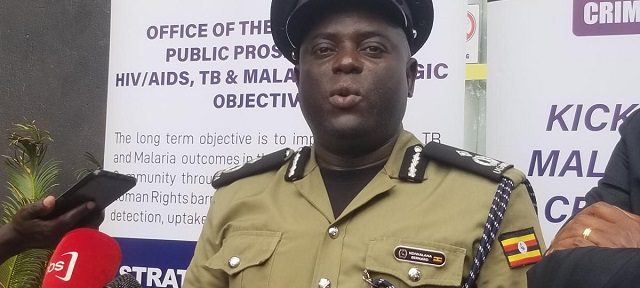
Uganda will soon screen all suspects for HIV, tuberculosis, and malaria before they enter police cells. This new procedure aims to protect detainees from infectious diseases. Funding from the Global Fund makes the initiative possible. Consequently, the program seeks to control disease spread in congested detention facilities. Police clinical services head Dr. Bernard Ndiwalana announced the plan. He stated screening provides crucial health information before detention. The “Breaking the Barriers Initiative” will run from 2024 to 2026, targeting improved health equity for suspects and inmates.
The initiative responds to a baseline survey. It found the criminal justice system infringed on inmates’ right to health. Now, suspects will undergo compulsory testing during booking. Those testing positive for HIV will continue treatment in custody. Malaria cases will receive immediate treatment to prevent severe complications. Furthermore, TB-positive suspects will isolate in special rooms to avoid transmission. However, many police cells currently lack proper isolation space. Therefore, police plan to improvise isolation areas nationwide.
Health Protocol and Data Management
Dr. Ndiwalana explained the health protocol details. Testing enables police to detect infected individuals quickly. For HIV-positive suspects, arrangements ensure antiretroviral therapy continues uninterrupted. This maintains their health and reduces transmission risk. Malaria treatment begins promptly to avoid anemia or death. TB management involves immediate isolation and treatment initiation. These steps are vital in cramped police cells where diseases spread easily.
Authorities will also use special medical registers. These logs capture suspect health data at police stations. The information then shares across criminal justice institutions. This system eases healthcare access as suspects move through the system. It creates a continuity of care often missing previously. Therefore, the program addresses a critical gap in detainee welfare.
Addressing Infrastructure Challenges
A major challenge is inadequate infrastructure. Dr. Ndiwalana acknowledged most police cells are small. This affects isolation protocols and promotes disease transmission. The new plan includes improvising isolation spaces at all stations. This will help contain contagious diseases like TB. Improved ventilation is also necessary but not yet detailed. These changes are crucial for the program’s success.
Project coordinator Barbara Masinde emphasized the need for compulsory screening. She cited signed Standard Operating Procedures from the Inspector General of Police. These SOPs mandate testing to break infection chains. Isolating contagious individuals protects other detainees. It also safeguards police officers and the wider community. Masinde reported significant progress already. Currently, 91% of inmates have access to quality healthcare services.
Training and Implementation Timeline
Implementation requires training police officers. They are the first responders receiving suspects after arrest. Training focuses on early detection and screening procedures. Officers must understand the health protocols’ importance. They will also manage the new medical registers. This capacity-building is key for sustainable change.
The three-year initiative is already underway. It started in 2024 and concludes in 2026. The Global Fund provides essential financial support. Previously, a 2018 survey highlighted the health rights infringement. That finding directly informed this project’s creation. Now, the focus is on nationwide rollout and overcoming logistical hurdles.
Broader Implications for Criminal Justice
The program has broader implications for Uganda’s criminal justice system. It explicitly recognizes health as a fundamental right for detainees. This represents a significant policy shift. Previously, suspect health was often neglected during initial detention. Now, health screening becomes a standard booking procedure.
The data-sharing system also improves coordination between police, courts, and prisons. This can lead to better health outcomes throughout a suspect’s legal journey. Moreover, reducing disease in police cells benefits public health overall. It limits transmission to officers, visitors, and ultimately the community.
A Model for Other Nations
Uganda’s initiative could become a model for other nations. Many countries struggle with disease control in crowded detention facilities. The integrated approach addressing HIV, TB, and malaria is comprehensive. Furthermore, the use of Global Fund support shows how international partnerships can enable local reform.
Success depends on consistent implementation and resource allocation. If effective, it will demonstrate that upholding health rights in police cells is achievable. It also aligns with global sustainable development goals on health and justice.