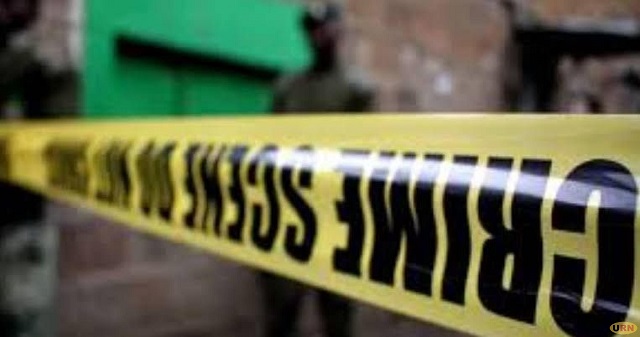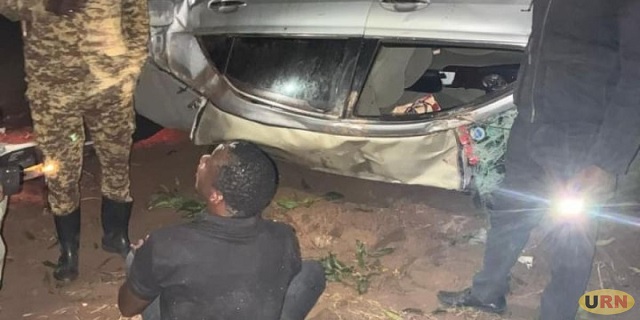
One police officer has been confirmed dead, and another seriously injured after being struck by a speeding car at the Gwetom Police checkpoint in Katakwi district. The incident occurred when a vehicle lost control while approaching the checkpoint, causing a chain of events that led to the fatalities. The crash has shocked the local police community and raised renewed concerns about checkpoint safety.
The vehicle involved was a Toyota Mark X registration number UBR 151S. It was traveling from Soroti towards Karamoja when the driver reportedly lost control. Eyewitnesses reported that the car first hit a signpost before veering off course. It then struck a parked motorcycle, registration number UEM232F, and hit the officers in the process.
The fact that a speeding car hitting checkpoint caused such devastation highlights the dangers police face during routine traffic duties. Checkpoints require officers to be exposed to moving vehicles, often at night or in low-visibility conditions. Despite safety measures, the risk of errant vehicles remains ever-present.
Victims Identified
Ibrahim Saiga, the East Kyoga Regional Police Commander, confirmed the identities of those affected. The crash resulted in the immediate death of Police Constable Enock Kirobe. Kirobe was attached to the Anti-Stock Theft Unit in the Teso Sub Region. His death represents a loss to both his family and the police service.
The second officer sustained critical injuries in the incident. He is currently receiving treatment at Katakwi General Hospital. Medical staff are monitoring his condition closely as he responds to treatment. The coming days will determine whether he makes a full recovery or faces lasting impairment from his injuries.
When a speeding car hitting checkpoint claims a life, the impact extends beyond the immediate victims. Fellow officers lose a colleague and friend. The deceased officer’s family loses a provider and loved one. The community loses a protector who died while serving.
Driver in Custody
Police have taken swift action following the crash. “The driver of the Mark X has been arrested and is now in custody at the Katakwi Police Station,” Saiga stated. The driver will face questioning about the circumstances leading to the loss of control.
Saiga emphasized the need for thorough investigations to understand what occurred. Investigators will examine multiple factors including vehicle mechanical condition, driver sobriety, speed at approach, and road conditions at the time. Witness statements will help reconstruct the sequence of events.
The driver may face charges including causing death by dangerous driving, careless driving, or more serious offenses depending on findings. If investigators determine that intoxication or reckless behavior contributed, penalties could be severe. The legal process will unfold as evidence is gathered and analyzed.
Safety Warnings
In the aftermath of the crash, Saiga urged all road users to remain vigilant. He specifically called for adherence to traffic regulations and reduced speed when approaching checkpoints. “Traffic rules are in place for the safety of everyone on the road. We cannot afford to lose lives due to reckless driving,” he added.
The warning carries particular weight coming after a fatality at a checkpoint. Police officers understand better than most the dangers of roads. They witness accident scenes regularly. They know that speed and carelessness combine to produce tragedy.
Checkpoints serve important functions including security screening, traffic enforcement, and crime prevention. However, they also create situations where officers stand near moving vehicles. Drivers who fail to slow down or lose control transform these safety points into danger zones.
Motorcycle Involved
The sequence of events included the car striking a parked motorcycle before hitting the officers. The motorcycle, registration number UEM232F, was presumably stopped at the checkpoint as vehicles are required to do. Its owner now faces loss of property in addition to the human tragedy.
Motorcycles are common in Ugandan transportation, used for both personal travel and commercial boda boda services. For many owners, the vehicle represents a significant investment and source of livelihood. Its destruction adds financial injury to the physical and emotional toll of the incident.
The role of the parked motorcycle in the crash sequence may provide investigators with clues about the car’s trajectory and speed. Damage patterns can help reconstruct exactly how the vehicle moved after losing control. This forensic evidence will complement eyewitness accounts.
Postmortem Procedures
The body of the deceased officer, Kirobe, has been transferred to Katakwi hospital mortuary. A postmortem examination will be conducted to officially determine cause of death. While the circumstances leave little doubt about how he died, medical examination provides formal documentation for legal and insurance purposes.
The postmortem also ensures that any underlying conditions that might have contributed to death are identified. It creates a permanent medical record of the injuries sustained. This documentation may prove important in any subsequent legal proceedings or compensation claims.
After postmortem, the body will be released to the family for funeral arrangements. Police typically provide support for fallen officers’ funerals, honoring their service and supporting grieving families. Colleagues will likely attend services to pay their respects.
Broader Implications
The incident raises questions about checkpoint safety protocols nationwide. Are current measures adequate to protect officers from errant vehicles? Should barriers or other physical protections be installed at permanent checkpoints? Could improved lighting or warning signs prevent similar tragedies?
Police leadership may review procedures in light of this fatality. Training on checkpoint setup and operation might be reinforced. Guidance on officer positioning relative to approaching traffic could be updated. Each tragedy provides lessons that can save lives in the future.
The fact that a speeding car hitting checkpoint killed an officer also highlights the risks inherent in traffic enforcement. Officers who stop vehicles and check drivers place themselves in harm’s way daily. The public rarely considers these dangers when complaining about delays at checkpoints.
Community Response
Local residents in Katakwi and the broader Teso region have expressed shock at the incident. Police officers are community members too, known to those they serve. Constable Kirobe’s death diminishes the entire community, not just the force.
Messages of condolence have begun appearing on social media and in local conversations. People express sympathy for the family and colleagues. Some call for justice if the driver is found responsible. Others use the incident to remind friends and family about road safety.
For the injured officer, community support may help during recovery. Hospital visits, messages of encouragement, and practical assistance can aid healing. Knowing that the community values his service and wishes him well provides emotional strength during difficult treatment.
Investigation Continues
As police probe murder of Kyankwanzi couple elsewhere, and investigate this fatal crash in Katakwi, the broader context of law enforcement challenges comes into focus. Officers face dangers both from criminals who actively target them and from accidents that claim lives unintentionally.
The driver in custody will be questioned thoroughly. His explanation for losing control will be tested against physical evidence. If mechanical failure caused the crash, the vehicle’s owner or maintainer might bear responsibility. If driver error or recklessness caused it, criminal charges will follow.
For now, the East Kyoga police region mourns one of its own while hoping for the recovery of another. A family prepares to bury a son and father. A driver sits in custody wondering what consequences he will face. And a community reflects on how quickly life can be lost when a speeding car hitting checkpoint turns deadly.