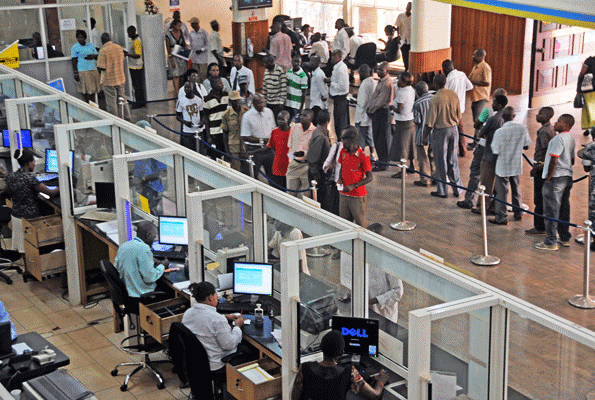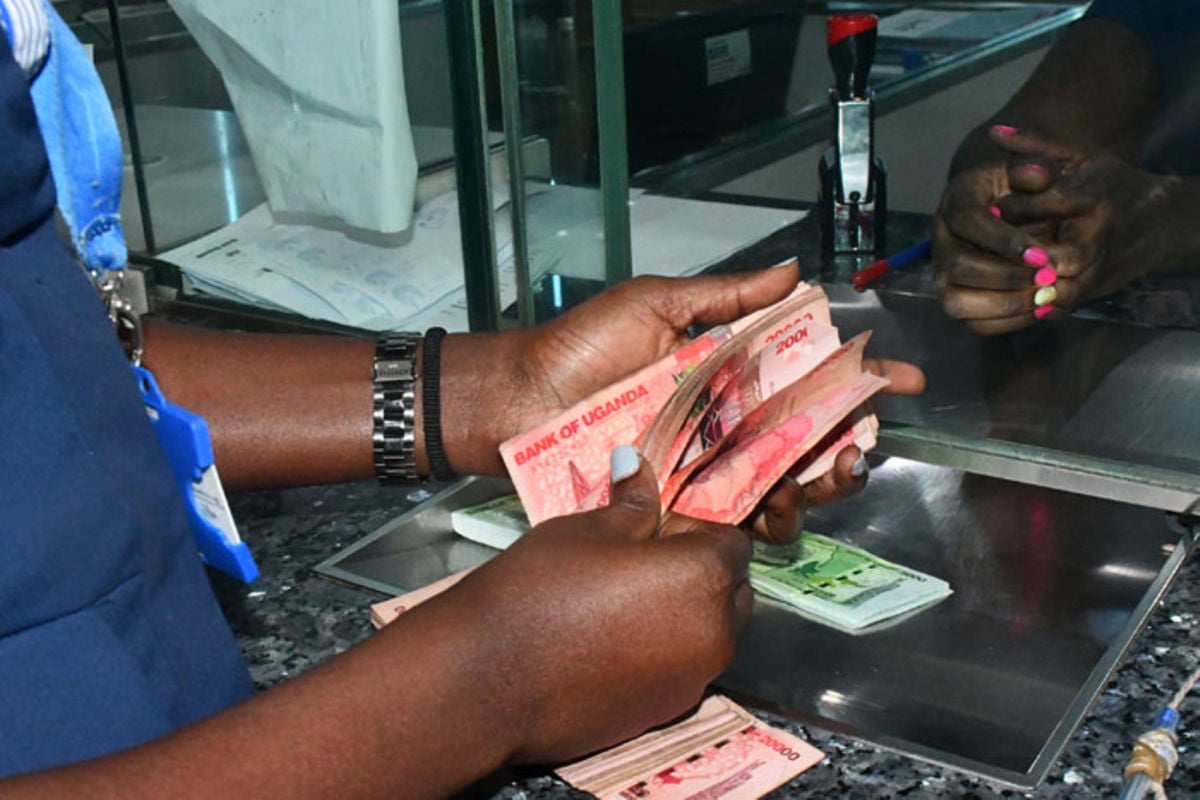
Personal loans remain top credit choice as households and individuals continue to absorb the largest share of bank lending in Uganda. According to the Ministry of Finance’s Performance of the Economy Report for October, personal and household loans accounted for 24.7 percent of all credit approved in October 2025. This translated to Shs477.5 billion out of total approvals for the month.
The data shows that borrowing patterns remain largely unchanged since the start of the 2025/26 financial year. Key sectors such as personal and household lending, trade, construction, real estate, and agriculture continue to dominate credit allocation. This trend highlights the central role of consumer-driven borrowing in sustaining economic activity.
Commercial bank lending remains critical to economic expansion. Banks mobilize idle savings and channel them to borrowers who deploy the funds for consumption, trade, and investment. As a result, credit growth supports both short-term demand and longer-term development.
Household lending leads credit distribution
The Finance Ministry reported that personal and household loans retained the largest share of approved credit in October. Trade followed with 16.2 percent, equivalent to Shs312.8 billion. Building, construction, and real estate accounted for 12.8 percent, or Shs247.9 billion.
Business, community, social, and other services received 11.9 percent, totaling Shs229.7 billion. Agriculture also remained a major recipient, absorbing 11.8 percent of approved credit. Manufacturing followed closely at 11.3 percent.
These figures show a diversified credit portfolio. However, personal loans remain top credit choice, reflecting strong household demand and the growing importance of consumer finance in the banking sector.
Credit approvals ease but efficiency improves
The value of credit approved for disbursement in October 2025 reached Shs1.9 trillion. This figure marked a slight decline from Shs2.1 trillion approved in September. Despite the lower volume, banks approved a higher proportion of loan applications.
The approval rate rose to 76.7 percent in October, up from 75.5 percent the previous month. This improvement suggests better alignment between borrower demand and bank lending criteria. It also points to improving credit quality and screening processes within the financial sector.
As banks balance risk and growth, personal loans remain top credit choice due to their relatively predictable repayment patterns and broad demand base.
Government securities shape liquidity conditions
In November 2025, the government raised Shs2.045 trillion from three auctions of government securities on the domestic primary market. Treasury Bills contributed Shs605.40 billion, while Treasury Bonds accounted for Shs1.4 trillion.
Of the total amount raised, the government used Shs376.35 billion to refinance maturing securities. It allocated Shs1.6 trillion to finance other budgetary requirements. The continued issuance of government securities reflects ongoing fiscal deficits and the need to fund public spending.
These operations influence liquidity and interest rates in the banking system, which in turn affect lending conditions for households and businesses.
Read Also
Hamz Cup 2025 final report
Uganda to cut domestic debt issuance
ACFE Uganda anti-fraud measures
Treasury Bill yields show mixed movement
Interest rates on Treasury Bills showed mixed trends in November 2025. Yields on the 91-day and 364-day tenors declined to 11.5 percent and 14.9 percent, respectively. In October, the same instruments yielded 11.7 percent and 15 percent.
The 182-day Treasury Bill moved in the opposite direction. Its yield increased to 13.7 percent in November from 13.1 percent the previous month. All Treasury Bill auctions attracted strong demand. The average bid-to-cover ratio stood at 1.66, signaling robust investor appetite.
Lower short-term yields can ease borrowing costs over time. This environment may further support household borrowing, reinforcing why personal loans remain top credit choice.
Bond market activity and yield trends
In October, the government re-opened two-year, five-year, 15-year, and 25-year Treasury Bonds on the primary market. Yield movements varied across maturities.
Except for the two-year bond, yields edged higher across all tenors compared to previous auctions of similar instruments. Rising long-term yields reflect investor expectations around inflation, fiscal pressures, and future interest rate paths.
These developments shape overall financing conditions in the economy. As the government competes for funds, banks adjust their lending strategies. Even so, personal loans remain top credit choice due to consistent demand from households and relatively quick turnover.