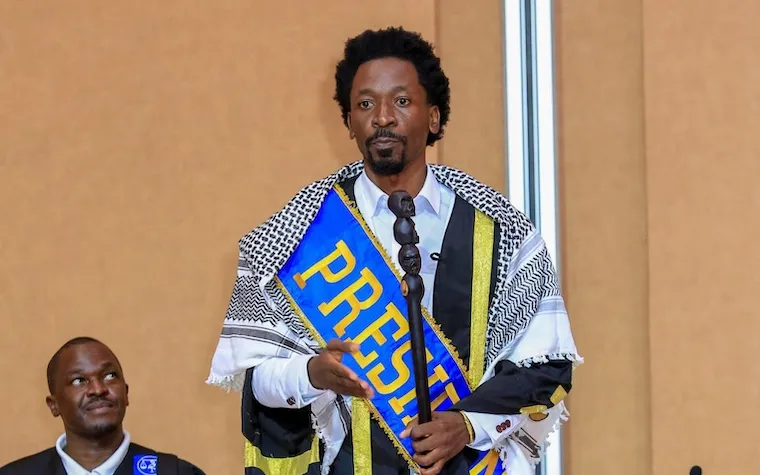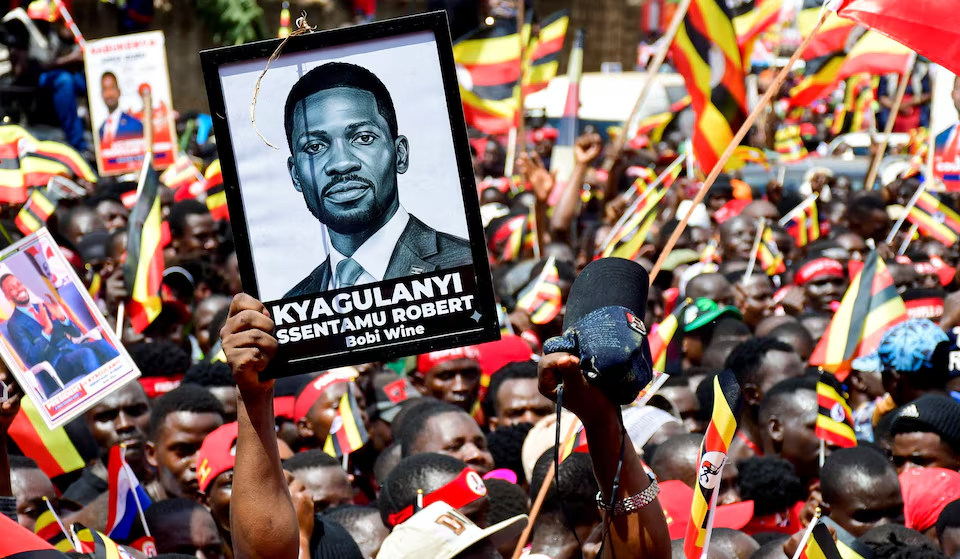
Ugandan opposition leader Bobi Wine has made a major campaign pledge ahead of next week’s presidential election. He vows to review the nation’s lucrative contracts with international oil companies if elected. Specifically, Wine targets the Uganda oil deals with French giant TotalEnergies and China’s CNOOC. He stated any part of these agreements not favoring Ugandans would be revised. This announcement directly challenges the economic agenda of longtime President Yoweri Museveni. The pledge taps into public sentiment about resource sovereignty and equitable benefits. Consequently, it positions the election as a referendum on how Uganda manages its natural wealth.
Uganda expects to begin commercial oil production later this year. The fields are operated by TotalEnergies and CNOOC under production-sharing agreements with the government. The Uganda National Oil Company is also a partner. However, production has been delayed for two decades by disputes and environmental opposition. Bobi Wine, a former pop star whose real name is Robert Kyagulanyi, argues the current Uganda oil deals may not serve the public interest. His promise to review them introduces significant uncertainty for the energy sector just as it nears first oil.
Details of the Proposed Review
Wine provided specifics in an interview with Reuters in Kampala. “We shall study all agreements,” he stated. “And any part in those agreements that does not favour Ugandans will definitely be revised.” He did not outline precise criteria for what constitutes a favorable deal. The review would likely focus on revenue-sharing terms, local content provisions, and environmental safeguards. Such a move could renegotiate contracts that have already faced years of complex negotiations. This creates a potential flashpoint with foreign investors and the current government.
The government, TotalEnergies, and CNOOC did not immediately respond to requests for comment. The lack of response underscores the sensitive nature of the threat to existing Uganda oil deals. For the companies, a Wine victory could mean costly delays and less favorable financial terms. For the government, it represents a fundamental challenge to its signature economic achievement. Museveni’s administration has long touted the oil projects as a path to national development. Wine’s pledge questions whether that path benefits the average Ugandan.
Broader Critique of Western Support
Wine also used the interview to criticize Uganda’s Western allies. He accused them of “hypocrisy” for continuing financial support to Museveni’s government. Despite documented crackdowns on opposition supporters, Western nations have maintained relations. Wine pointed to laws in these countries that allow sanctions for human rights abuses. “Unfortunately, they have not,” he said. “So that comes off as if diplomacy is more important than democracy to them. It comes off as if business is more important than human rights.”
This critique broadens his campaign beyond domestic issues to international accountability. It aligns his message with global debates about ethical foreign policy. Wine himself has been a victim of state violence, beaten twice by security forces during campaigns. Hundreds of his supporters have been detained, according to him and U.N. reports. The government dismisses these allegations, claiming arrests are for legitimate crimes. By linking the Uganda oil deals to Western complicity, Wine frames the election as a choice between entrenched corruption and reform.
Context of the Upcoming Election
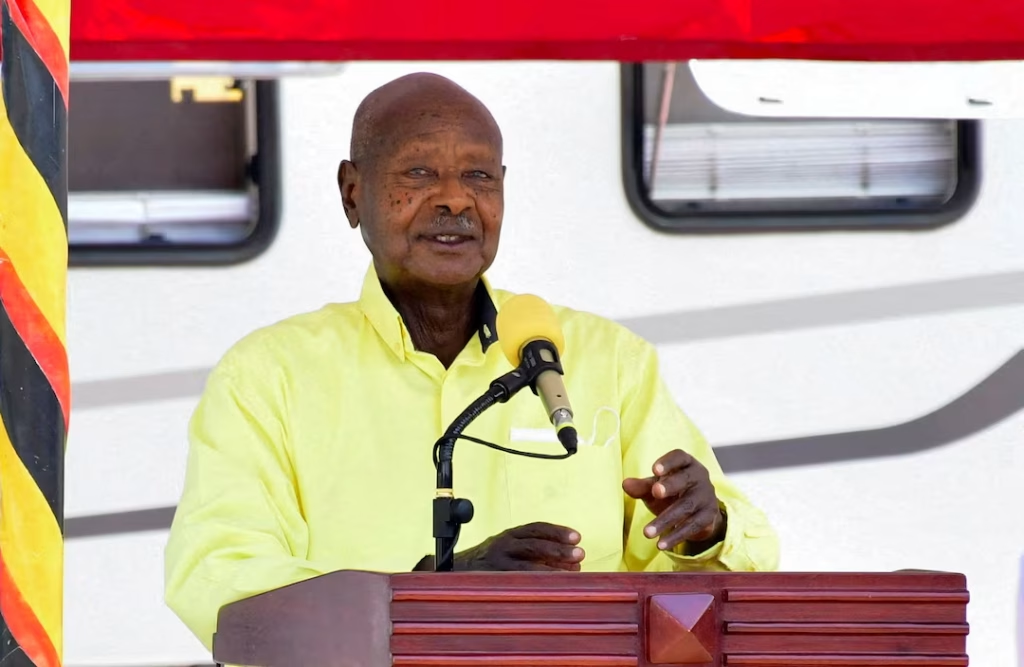
The January 15 election is a rematch of the 2021 contest. Museveni won that vote with 58% to Wine’s 35%, amid allegations of rigging and repression. Museveni, 81, has been in power for 40 years. His government regularly faces accusations of violently repressing critics. Wine’s campaign has again been marred by obstruction, with events blocked and supporters arrested. The promise to review Uganda oil deals is a central plank of his economic platform. It offers a clear contrast with Museveni’s longstanding approach to foreign investment.
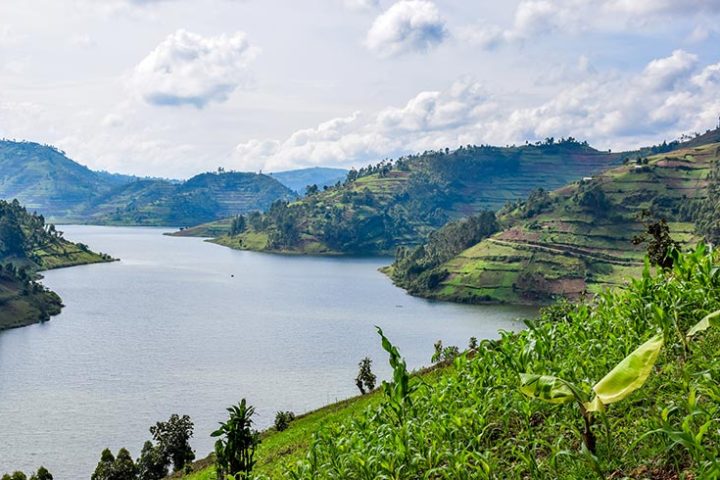
Uganda’s oil reserves are estimated at 6.65 billion barrels. Successful production could transform the economy. However, many citizens remain skeptical about who will truly benefit. Wine’s pledge capitalizes on this skepticism. It represents a more nationalist and populist approach to resource management. Whether he can deliver on this promise depends entirely on overcoming the significant institutional advantages held by the incumbent. The election will test whether populist energy policies can triumph over established power.