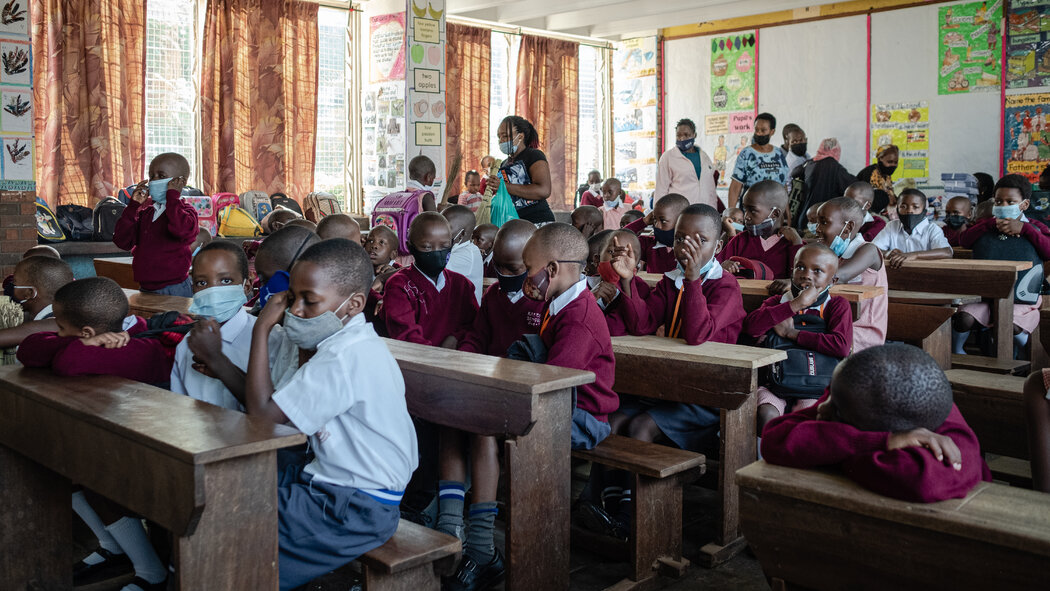
The Ugandan Ministry of Education and Sports has announced a nationwide delay for the new academic term. The decision postpones the Uganda schools reopening date from February 2 to February 10, 2026. This adjustment affects all educational institutions across the country. The ministry cited student safety during the ongoing general election process as the primary reason. A formal circular from Permanent Secretary Dr. Kedrace Turyagyenda directed both government and private schools, tertiary institutions, and universities to comply.
Uganda held its general election on January 15, 2026. Vote counting is currently underway, with official results expected soon. The period following an election can involve heightened public activity and logistical disruptions. Consequently, the ministry determined that delaying the Uganda schools reopening would mitigate potential risks to learners. This proactive measure aims to ensure a secure and stable environment for students to return to their studies.
Official Communication and Rationale
The ministry issued a clear directive to all educational institutions. The circular stated the decision was due to the general elections and the need to ensure learner safety. It explicitly sets Tuesday, February 10, 2026, as the new reopening date for all schools. This uniform approach prevents confusion and maintains consistency across the education sector. The government’s priority is clearly to avoid any election-related incidents that could affect children and young adults.
This delay disrupts the originally published 2026 school calendar. However, officials likely view the one-week postponement as a necessary precaution. Schools now have additional time to complete any preparations while the country finalizes its electoral process. Parents and guardians must adjust their schedules accordingly. The ministry’s announcement provides them with ample notice to make suitable arrangements for their children.
Context of the 2026 General Election
The presidential and parliamentary elections represent a major national event. Campaigning and voting can create localized tensions and increase movement around the country. By keeping schools closed during the immediate post-election phase, authorities reduce the volume of student travel. They also minimize the congregation of large groups of young people during a politically sensitive time. This decision aligns with a cautious approach to public safety management.
The election results will shape Uganda’s political landscape for the coming years. The period of result declaration and potential contestation requires a stable environment. Delaying the Uganda schools reopening is a preventative step. It allows the electoral process to conclude without the added complexity of managing school operations concurrently. This separation of major national events is a common administrative practice in many countries.
Read Also
NUP Loses 23 Parliamentary Seats in Ugandan Election
Implications for the Academic Calendar
The one-week delay will compress the first term schedule. Schools and universities will need to adjust their internal timelines for exams and holidays. The Ministry of Education may issue further guidance on term dates to accommodate the change. Typically, such delays require careful academic planning to ensure the full syllabus is covered without overburdening students.
For boarding schools, the logistics of student transportation and resettlement will now cluster around the new date. School administrators must communicate clearly with parents about revised reporting times. Private international schools, which often follow different calendars, are also required to adhere to this national directive. This uniformity ensures no institution operates in isolation during this period.
Broader Focus on Student Welfare and Security
The postponement underscores the government’s stated commitment to student welfare. It prioritizes safety over strict calendar adherence. This decision likely draws from past experiences where election periods posed challenges for public order. By taking this precaution, the ministry aims to prevent any possible disruptions to the learning environment from the outset.
Looking ahead, the focus will shift to a smooth reopening on February 10. Schools will use the extra week for final preparations. Once students return, the educational focus will fully resume. The ministry will hope this brief delay contributes to a calm and productive start to the 2026 academic year, free from election-related distractions or concerns.