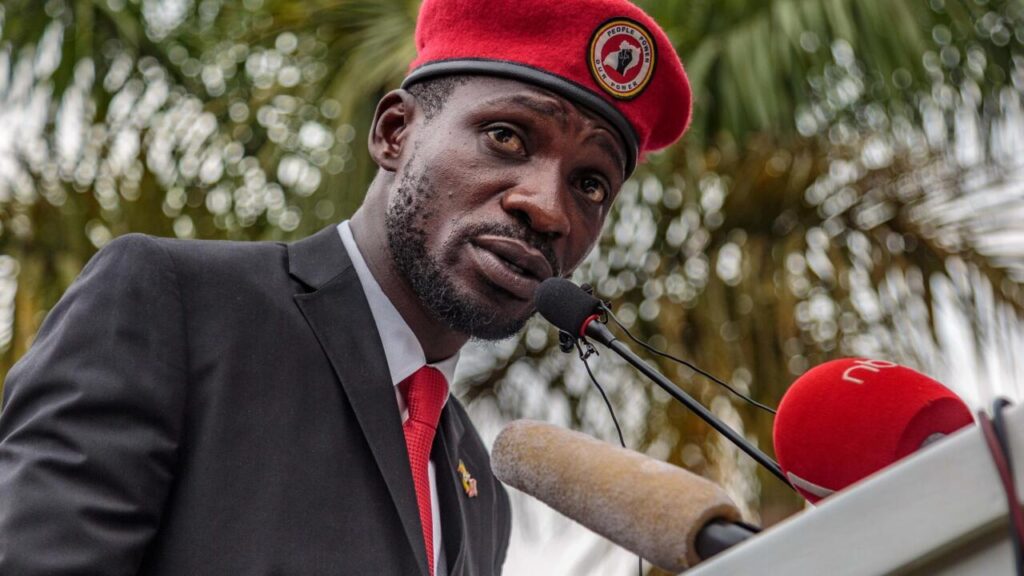
Uganda’s main opposition party, the National Unity Platform (NUP), has suffered a significant electoral setback. The party lost at least 23 parliamentary seats in the just-concluded general elections. These constituencies are primarily located in the crucial Buganda region. The ruling National Resistance Movement (NRM) recaptured most of these seats, which it had lost in the 2021 polls. Some seats also went to NRM-leaning independent candidates. Consequently, this outcome substantially weakens the opposition’s numerical strength in the upcoming parliament.
The NUP currently holds 57 parliamentary seats, with 55 originating from Buganda. Therefore, these losses strike at the party’s core support base. Notable defeats include Kawempe South, where the incumbent did not seek re-election. The party also lost Nakawa East to NRM’s Freddie Ruhindi. Furthermore, the NUP faced defeats in key Wakiso district constituencies like Busiro North, Entebbe Municipality, and Busiro South. This reversal indicates a major shift in voter sentiment within the opposition’s traditional stronghold.
Detailed Breakdown of Key Constituency Losses
The scale of the defeat is widespread across multiple districts. In Nakaseke district, incumbent MP Allan Mayanja lost to State Minister Kabuye Kyofatogabye. Bukomansimbi district saw a clean sweep, with all three NUP MPs defeated. These include Woman MP Veronica Nannyondo and constituency MPs Christine Ndiwalana and Solomon Kayemba. Similarly, in Butambala district, both the woman MP and the county MP, Aisha Kabanda and Muwanga Kivumbi, lost to independent candidates.
Other significant losses encompass several high-profile incumbents. Musicians turned politicians, Dr. Hilderman and Geoffrey Lutaaya, lost their seats. Mityana Woman MP incumbent Joyce Bagala, denied the NUP ticket, saw her successor defeated by Minister Judith Nabakooba. The list extends to MPs like Evans Kanyike of Bukoto East and Goretti Namugga of Mawogola South. Overall, the pattern shows the NRM successfully reclaiming territory it conceded five years ago.
Limited Gains Fail to Offset Major Losses
Despite the heavy losses, the NUP managed to make some gains. The party flipped six seats in the Buganda region and seven in the Busoga sub-region. A prominent victory came in Kira Municipality, where NUP’s George Musisi defeated veteran opposition figure Ibrahim Ssemujju Nganda. The party also won the Kayunga district woman MP seat and secured Nakasongola county. Additionally, NUP candidates won in Mukono South and Buikwe South, defeating established incumbents.
These victories, however, are insufficient to counterbalance the broader retreat. The NUP has secured 43 seats in the new parliament according to current counts. This figure represents a net loss of 14 MPs from its current strength of 57. With a total of 459 territorial MPs in parliament, the opposition’s reduced bloc will face greater challenges in legislative scrutiny and debate. The gains in Busoga indicate some regional expansion but not enough to compensate for the core erosion in Buganda.
Read Also
Museveni Outlines Priorities After Election Victory
Implications for Uganda’s Political Landscape
The election results significantly alter parliament’s composition. The NRM’s resurgence in Buganda strengthens the ruling party’s legislative dominance. This shift may grant President Museveni a more compliant parliament for his new term. For the NUP, the losses represent a strategic blow. The party must now analyze the reasons for its declining appeal in its heartland. Potential factors include internal party divisions, candidate selection processes, and a vigorous NRM counter-campaign.
The outcome also reflects the enduring challenge of sustaining opposition momentum in Uganda’s political environment. The NUP’s dramatic rise in 2021 has been met with a forceful response from the established ruling party. Consequently, the political landscape appears to be rebalancing. This trend could influence the opposition’s tactics, potentially shifting focus from parliamentary numbers to grassroots mobilization and issue-based advocacy.
Future Outlook for the National Unity Platform
The NUP now faces a period of introspection and regrouping. Leadership must address internal discord, exemplified by denied party tickets that led to incumbent losses. The party also needs to broaden its appeal beyond the Buganda region to build a truly national presence. The limited successes in Busoga provide a potential blueprint for regional expansion.
In parliament, the reduced NUP caucus will need to maximize its impact through strategic alliances and effective debate. The party’s role as the primary opposition force remains, but its diminished numbers will test its resilience. Ultimately, the 2026 election results mark a pivotal moment for Ugandan democracy, demonstrating the volatile nature of electoral politics and the fierce contest for control of the national legislature.