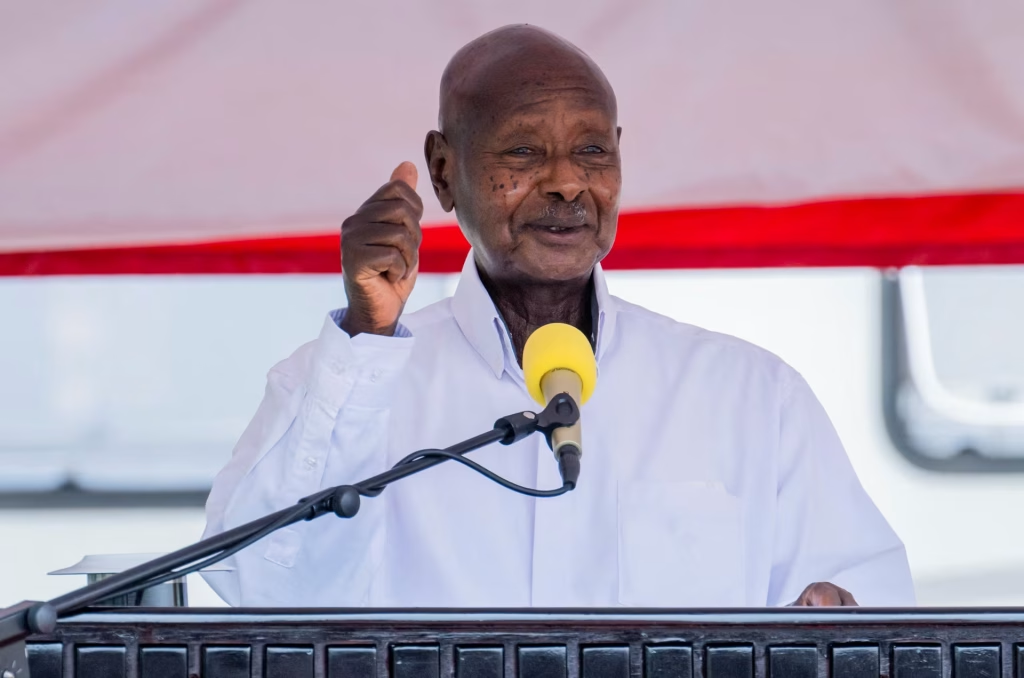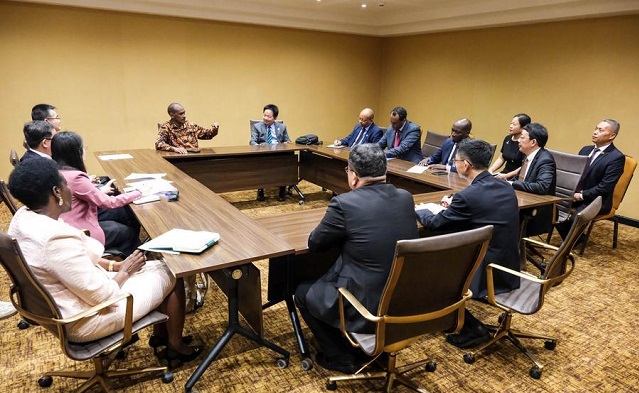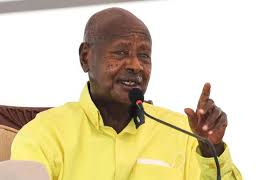
Ugandan President-elect Yoweri Museveni has detailed his administration’s key goals for the upcoming term. Speaking a day after his electoral victory, Museveni outlined priorities focused on economic transformation and governance. He pledged to drive wealth creation, eradicate poverty, and improve public services. Additionally, he promised a strong fight against corruption. The president delivered this address from his home district of Kiruhura, urging national unity and warning against post-election violence or foreign interference.
Museveni’s victory extends his nearly four-decade rule. He now faces the challenge of addressing persistent economic issues and public demands for better governance. His speech specifically targeted wealth creators like commercial farmers, manufacturers, and investors. He promised enhanced support through institutions such as the Uganda Development Bank. This focus suggests a continued emphasis on private sector-led growth as the core strategy for his new term.
Economic Focus: Wealth Creation and Poverty Eradication
A central theme of Museveni’s address was economic empowerment. He stated his government would prioritize lifting the remaining 30 percent of Ugandans out of poverty. The goal is to ensure all households achieve sustainable livelihoods. This will require significant investment in agricultural modernization and job creation. Museveni also highlighted the imminent start of oil production this year. He framed this as a pivotal new phase for the nation’s economic development.
The president’s plan relies heavily on supporting key economic actors. He explicitly mentioned commercial farmers, manufacturers, hotel operators, and investors. Consequently, policies will likely include improved access to credit and infrastructure. However, translating these broad priorities into tangible improvements for ordinary citizens remains a historic challenge. The success of this agenda will depend on effective implementation and reduced bureaucratic hurdles.
Commitments to Public Service and Anti-Corruption
Beyond the economy, Museveni outlined priorities for public service delivery. He committed to maintaining free universal education in government schools. He also promised to improve healthcare services, specifically ensuring the consistent availability of medicines in public facilities. Furthermore, he emphasized enhanced supervision by leaders at all government levels to increase accountability.
The fight against corruption featured prominently. Museveni declared it would remain a central priority, alongside the pursuit of justice. This pledge responds to longstanding public frustration over graft. However, similar promises in previous terms have yielded limited results. Therefore, observers will scrutinize the concrete actions and political will behind this renewed commitment. Effective anti-corruption measures are crucial for rebuilding public trust and ensuring resources reach their intended beneficiaries.
A Call for Unity and Stability
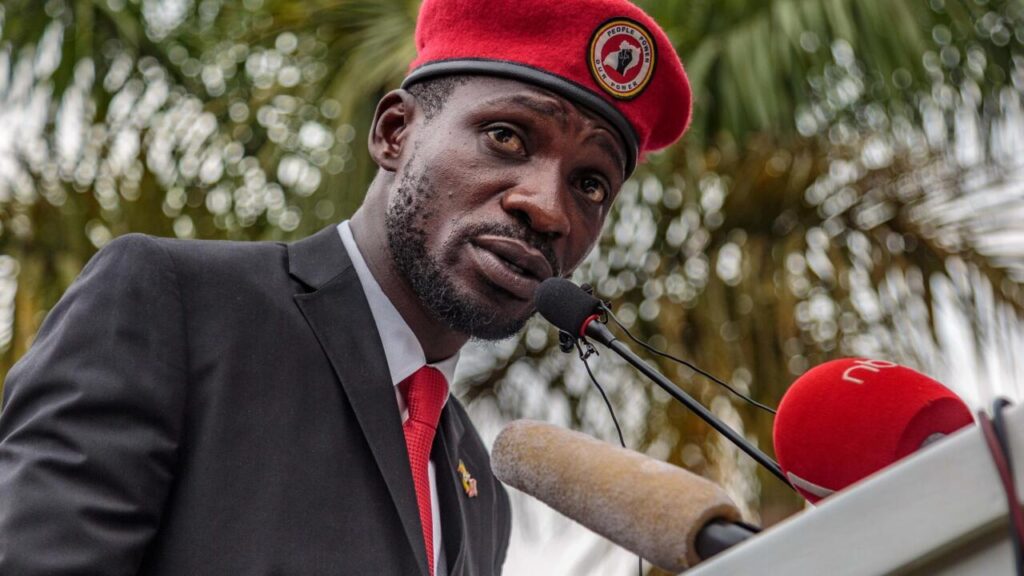
Museveni dedicated part of his speech to political stability. He warned strongly against election-related violence. He also cautioned against foreign interference in Uganda’s affairs. The president urged all Ugandans, including opposition supporters, to uphold peace and national unity. This call follows a contested electoral process where the opposition has alleged irregularities.
The appeal for unity is a standard post-election message. Yet it carries weight amid regional tensions and internal divisions. By framing stability as a prerequisite for development, Museveni links his political control to the nation’s economic prospects. The government’s approach to dissent and opposition in the coming months will test the sincerity of this unity message.
Challenges and Expectations for the New Term
President Museveni faces high expectations despite his long tenure. The population, particularly the youth, demands jobs and economic opportunity. The promises he made require efficient bureaucracy and significant investment. The start of oil production brings potential revenue but also risks of mismanagement and the “resource curse.”
Ultimately, the impact of Museveni’s stated agenda will be measured by outcomes. As he outlines priorities for wealth creation and service delivery, citizens will watch for execution. The fight against corruption will be a key indicator of seriousness. The international community will also monitor Uganda’s stability and governance closely. The president’s latest term offers another chance to translate longstanding goals into transformative progress for all Ugandans.