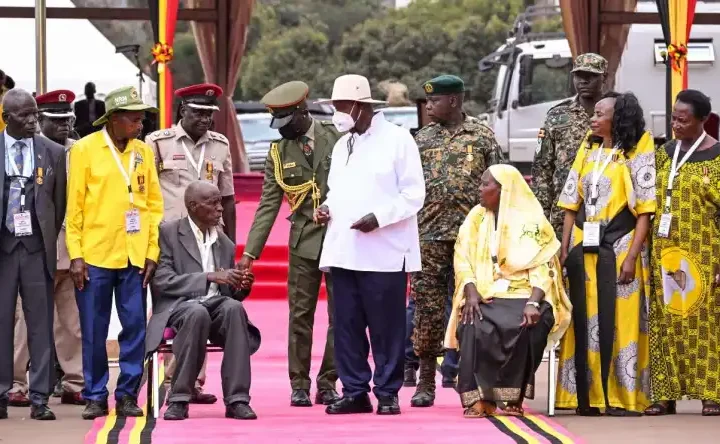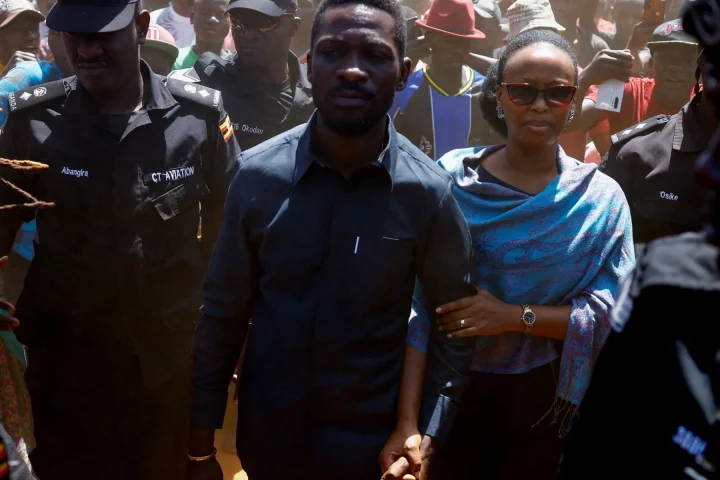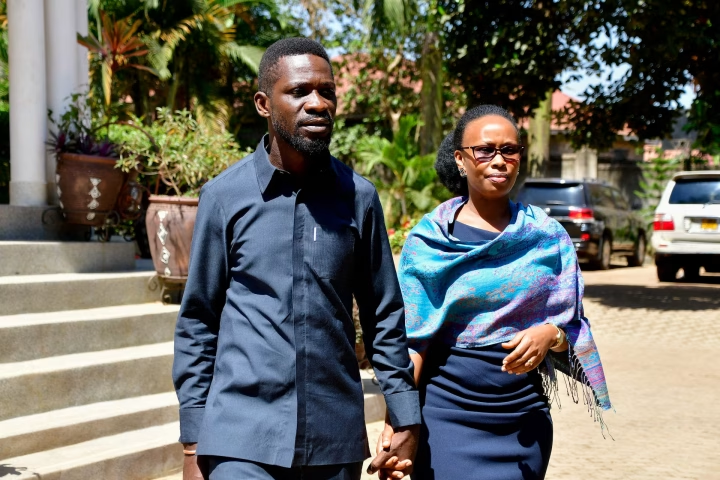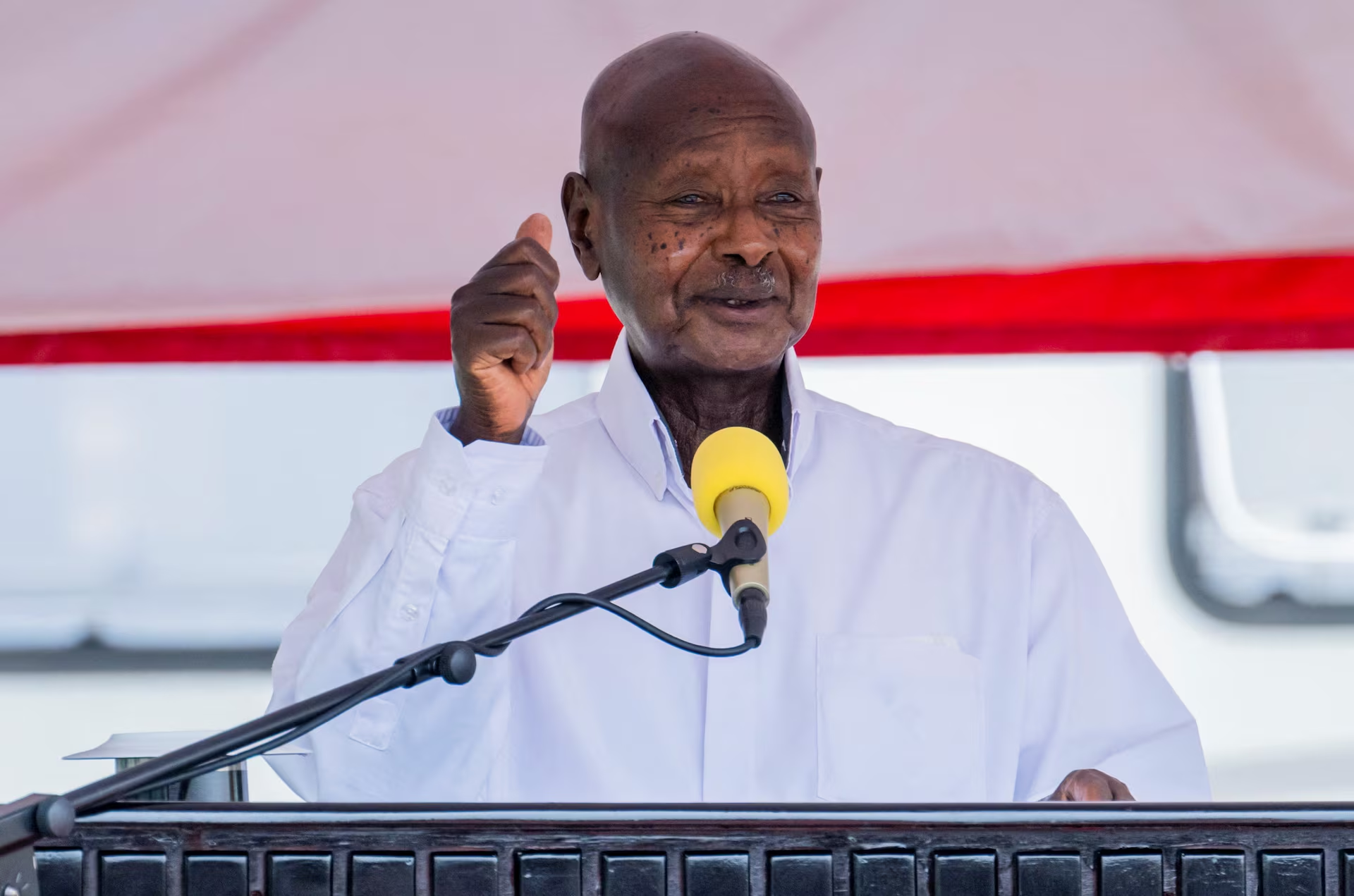
The Museveni 2026 election victory has solidified President Yoweri Museveni’s grip on power after four decades in office. He won with 72% of the vote—nearly matching his record 74% in 1996. For his supporters, this result validates his legacy of stability and development. In contrast, his main rival, Bobi Wine, dismissed the outcome as “fake” and went into hiding after security forces raided his home.
Museveni campaigned on his track record. He argued that he has delivered political calm and economic progress amid global turbulence. Moreover, he pledged to make Uganda a middle-income country by 2030. To achieve this, he points to the nation’s emerging oil industry as a game-changer. Specifically, he aims to begin crude oil exports in October 2026 through a 1,443 km pipeline to Tanzania’s Tanga port. Once exports start, he claims the economy will grow at double-digit rates.
Despite being 81, Museveni projected vigor during the campaign. At one rally, he boasted of visiting all 140+ electoral constituencies. However, his team abruptly canceled events in early October, citing vague “state duties.” Many observers found this explanation unconvincing. Subsequently, pauses in his schedule fueled speculation about his health and stamina.
Meanwhile, Bobi Wine suffered a major setback. His vote share dropped from 35% in 2021 to just 25% in 2026. This is striking, given that Uganda’s population is overwhelmingly young—Wine’s presumed base. From his perspective, the election was neither free nor fair. He cited repeated disruptions of his rallies, use of tear gas and live ammunition by security forces, and even deaths among his supporters. He also alleged ballot stuffing, though he offered no public evidence. So far, authorities have not responded to these claims.
After two failed bids, Wine’s political future is uncertain. There is a real risk he could follow the path of many African opposition figures—gradually marginalized by repression and exclusion. During the campaign, he symbolized youth-driven change. In contrast, Museveni positioned himself as the steady patriarch ensuring national order. According to official results, voters chose stability over upheaval.
Yet, the deeper story lies beyond the ballot. Political analysts note that Uganda’s next chapter hinges less on the election itself and more on succession planning within the ruling National Resistance Movement (NRM). As journalist Allan Kasujja observes, “Change in Uganda does not happen suddenly. It happens gradually—and that process has been under way for some time.”
Indeed, signs of internal transformation emerged as early as the 2023 cabinet reshuffle. They became unmistakable in the August 2025 NRM Central Executive Committee elections. Far from routine, this internal contest revealed intense jockeying for influence in a post-Museveni era. Marked by factional deals and bribery allegations, it showed a regime focused more on internal succession than external opposition.
Most significantly, army chief Gen. Muhoozi Kainerugaba—Museveni’s son—has risen as the dominant figure. Veteran NRM leaders who fought in the 1980s bush war are being sidelined. In their place, new loyalists with ties to Muhoozi now hold key positions. Sources close to State House say decision-making has grown increasingly centralized around Museveni’s family.
For example, his eldest daughter, Natasha Karugire, oversees his daily schedule. His half-brother, Salim Saleh, manages relations with foreign and military elites. His son-in-law, Odrek Rwabwogo, shapes trade and economic policy. And critically, Gen. Muhoozi now controls all security matters—internal and external—as Chief of Defence Forces.
Given the military’s historic role in Ugandan politics, this concentration of power is profound. It suggests that while Museveni remains president, real authority is shifting to his son. Therefore, the Museveni 2026 election victory may mark not an endpoint, but a transitional phase—one where Uganda’s future is quietly being shaped by the next generation of the ruling family, even before the formal transfer of power.