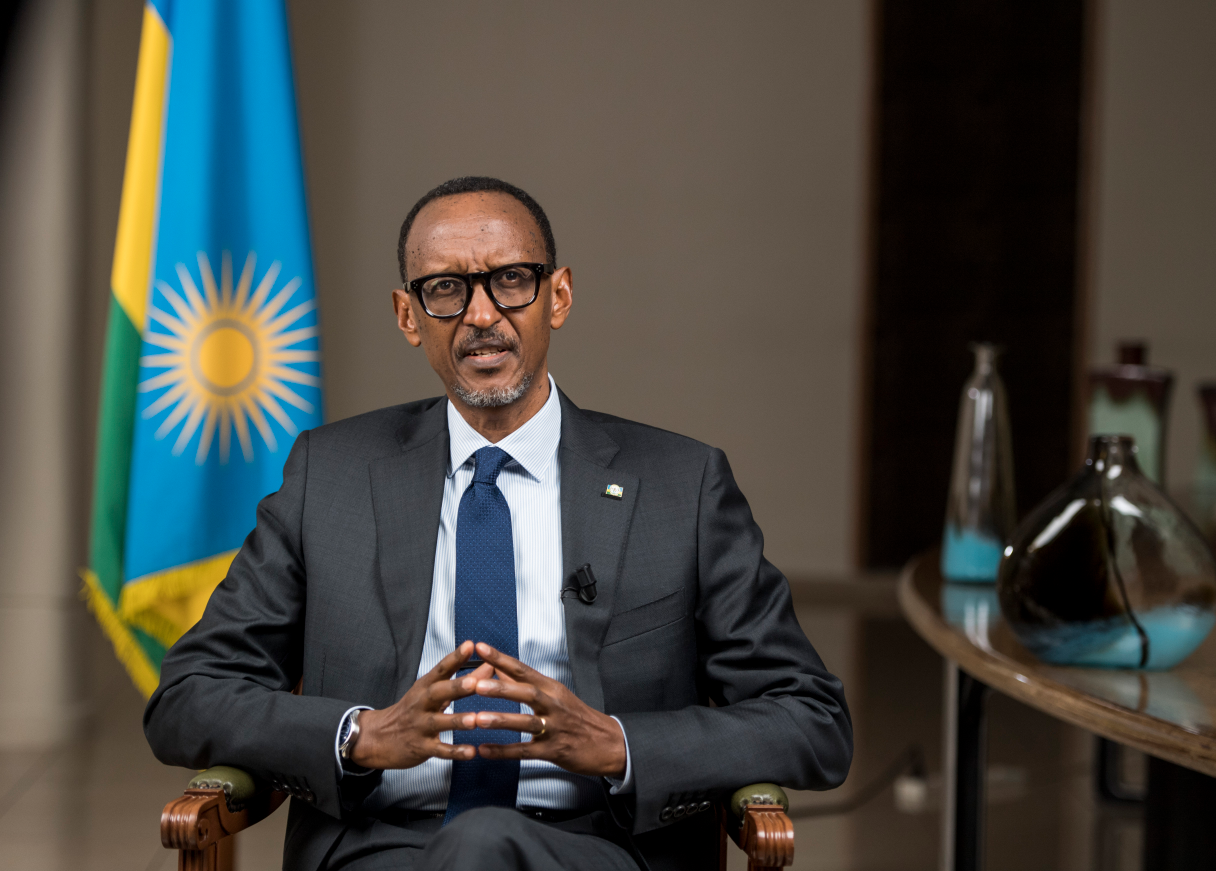
The Museveni 2026 re-election has drawn regional praise. Rwandan President Paul Kagame was among the first to congratulate him. Uganda’s Electoral Commission declared Museveni winner with 71% of the vote. In response, Kagame called for continued strong cooperation between Rwanda and Uganda. He added that he looks forward to deepening ties for mutual benefit.
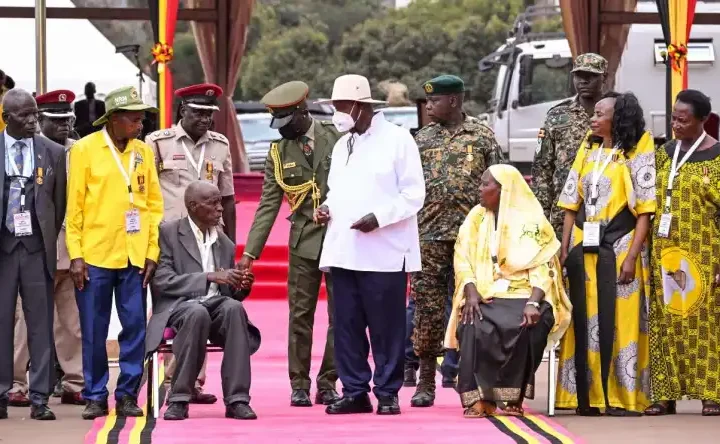
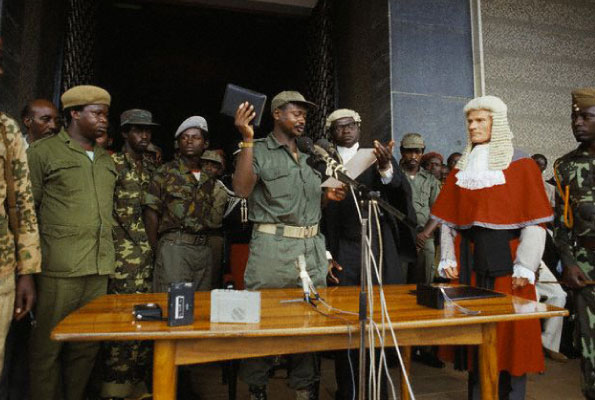
Moreover, this Museveni 2026 re-election marks a major political moment. It is his highest vote share since 1996, when he won with 74.3%. Consequently, the result suggests growing public trust in his recent policies. These include national stability, better roads, and social programs like the Parish Development Model (PDM). In his acceptance speech, Museveni linked the win to the early days of the NRM. He emphasized unity, discipline, and grassroots focus. Furthermore, he noted that PDM and skilling hubs have given hope to many Ugandans—especially youth and rural communities.
In addition, other African leaders welcomed the Museveni 2026 re-election. Somali President Hassan Sheikh Mohamud praised Museveni’s role in regional peace. He stated that Somalia wants stronger ties with Uganda. Similarly, Egyptian President Abdel Fattah al-Sisi called the result a sign of public confidence. He described Museveni’s leadership as wise and effective. Al-Sisi also expressed Egypt’s wish to expand joint efforts for Africa’s development.
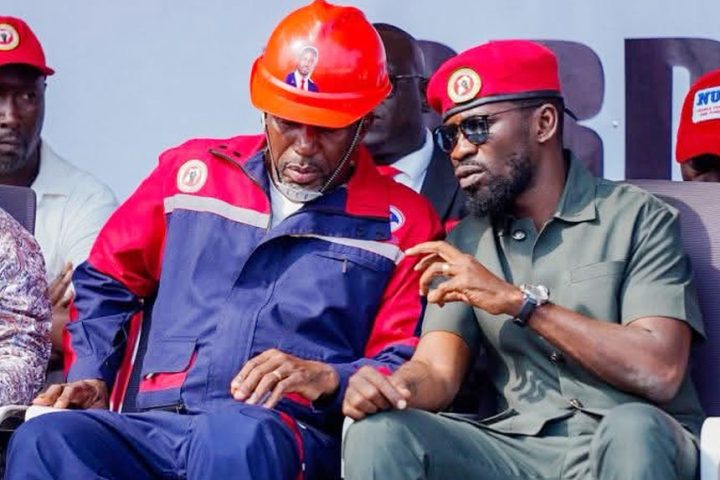
Nevertheless, the Museveni 2026 re-election comes amid a complex political climate. Although opposition leader Robert Kyagulanyi Ssentamu ran a strong campaign, the NRM maintained dominance in many areas. Museveni credited this outcome to real improvements in daily life. Specifically, he mentioned a disciplined army, steady supply of basic goods, and nationwide peace. He argued that these conditions remind people of the NRM’s early success.
Regionally, the result reinforces Uganda’s role as a stabilizing force. Indeed, Museveni’s government supports peacekeeping and economic integration. As a result, neighboring countries see him as a reliable partner. Domestically, the focus now shifts to delivering on promises. Museveni plans to build on the PDM and other local initiatives. Ultimately, he aims to reduce poverty and create jobs through parish-level action.
That said, some observers note concerns about democratic space. Yet the high turnout in certain areas shows active public engagement. The government interprets this as support for its development model. On the other hand, critics call for more transparency. Even so, regional allies view the outcome as legitimate and encouraging.
In conclusion, the Museveni 2026 re-election is both a personal and national milestone. It offers a chance to strengthen peace, inclusion, and regional ties. With backing from neighbors and renewed domestic support, Museveni begins his seventh term with clear priorities. Moving forward, the key challenge will be turning this mandate into lasting, shared prosperity for all Ugandans.
READ: What’s at Stake in Uganda’s 2026 Presidential Election