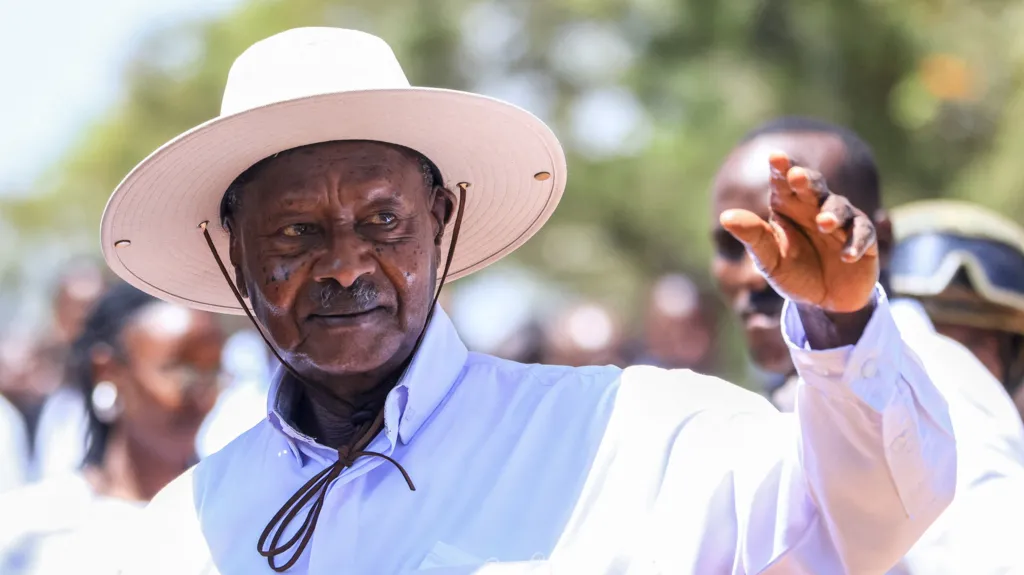
Ugandan President Yoweri Museveni extends his 40-year rule after securing a controversial victory, amid reports of violence, intimidation, and an internet shutdown.
Ugandan President Yoweri Museveni has won a controversial seventh term in office after an election marred by violence, intimidation, and an internet shutdown. The Electoral Commission confirmed on January 17 that Museveni, 81, secured 71.65 percent of the vote in the January 14 election, further extending his 40-year reign. However, the election was overshadowed by reports of at least 10 deaths, widespread arrests, and abductions, with critics accusing the government of using fear to suppress opposition.
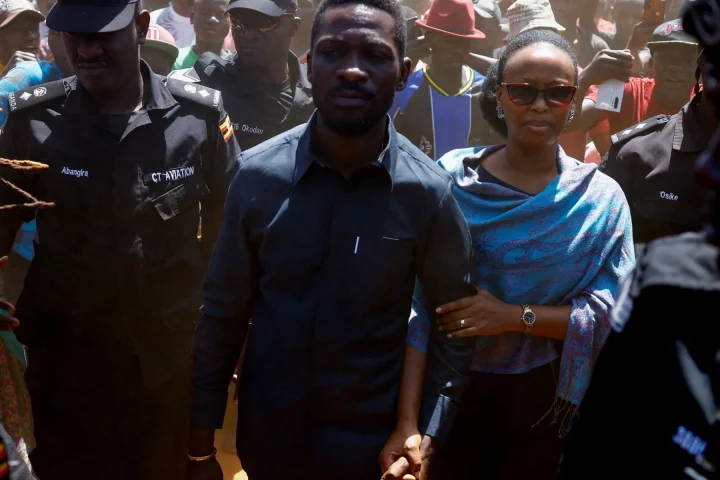
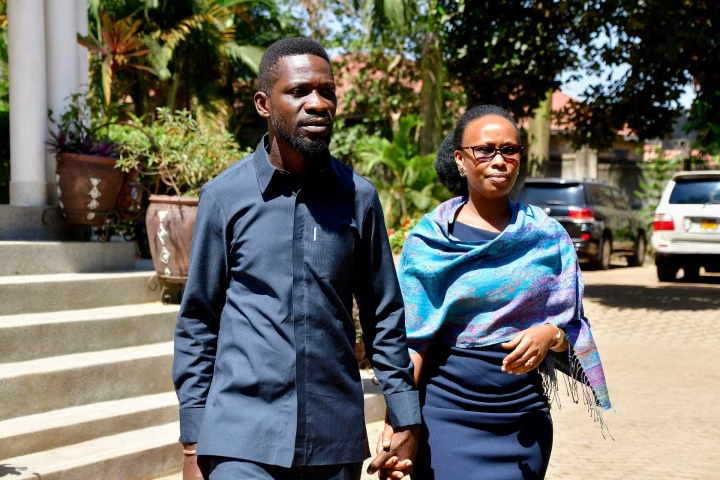
Museveni defeated 43-year-old Bobi Wine, a former singer and leader of the National Unity Platform (NUP), who received 24.72 percent of the vote. Wine, known as the “ghetto president” due to his roots in the Kampala slums, has been under relentless pressure from security forces. He has faced multiple arrests, including before his first presidential bid in 2021, and alleged that his defeat was the result of “massive ballot stuffing” and “fake results.”
Following the announcement of Museveni’s victory, Wine rejected the results, claiming that they were fraudulent. He reported being in hiding after his home was raided by security forces, though police denied the raid and insisted that Wine was still at his residence, despite heavy security deployments around his home. Tensions remained high in Kampala, Uganda’s capital, where authorities sought to avoid the type of protests that have erupted in neighboring Kenya and Tanzania in recent months.
Wine’s party, the NUP, called the results a “sham” and voiced concerns about the fairness of the election. The opposition alleged that their officials were targeted by security forces under the cover of the internet blackout, which had been imposed on January 13. The blackout was seen as a strategy to suppress communications during the election process, making it harder for opposition leaders to mobilize support or document any irregularities.
African election observers noted that while they found no direct evidence of ballot stuffing, they condemned reports of intimidation, arrests, and abductions that affected the opposition and civil society. The observers also expressed concern about the high levels of fear and anxiety that the election climate fostered, with many Ugandans reluctant to voice dissent for fear of retribution.
Despite these concerns, Museveni’s victory ensures that he will remain in power, continuing his long tenure as one of Africa’s longest-serving leaders. His latest term promises to extend his grip on the country, as he consolidates power amidst growing international criticism and domestic unrest.
As Uganda looks ahead, questions remain about the future of democracy in the country and the growing influence of authoritarian tactics in African elections. The international community, along with Ugandan citizens, will be watching closely to see how Museveni’s government responds to these allegations and whether it will take steps to address the concerns raised by opposition parties and election observers.